Versiti - VBRI Researchers Publish Study on Using Extraterrestrial Soil to Treat Hemorrhages in Space | Versiti Blood Research Institute

News

VBRI Researchers Publish Study on Using Extraterrestrial Soil to Treat Hemorrhages in Space

Milwaukee — December 31, 2025
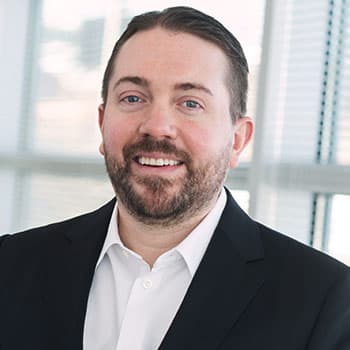
Christian Kastrup, PhD

Christian Kastrup, PhD

Noah Peng

Noah Peng

A new study by VBRI Senior Investigator Christian Kastrup, PhD, and Biochemistry PhD Candidate Noah Peng takes trauma care into another atmosphere, literally. Published in Research and Practice in Thrombosis and Haemostasis, their paper, Extraterrestrial Regolith is Hemostatic and Potentially Suitable for Hemorrhage Control in Space, explores the possibilities of using lunar and Martian soil to help save astronaut lives during space missions.

“When astronauts travel far from Earth for long periods, injuries that cause severe bleeding become much more dangerous,” Kastrup explains. “Medical supplies are limited in space, so crews may need to use materials found on the Moon, Mars, or asteroids to treat wounds. These surfaces are covered in a dusty soil called regolith, which is rich in minerals that might help blood clot and stop bleeding.

Kastrup and Peng tested simulated lunar and Martian soil, individual minerals found in regolith, and a real meteorite. They found that all regolith samples helped blood clot faster by activating Factor XII, a protein that triggers one of the body’s natural clotting pathways. The meteorite sample was particularly effective at speeding up clot formation. These results suggest that lunar or Martian soil could potentially be used as an emergency blood-clotting material during future space missions when traditional medical supplies are limited or unavailable.

Kastrup says there are other implications from this study, as well. “Although the research is focused primarily on astronauts, the study importantly shows that many naturally occurring soils contain silicate materials, which can accelerate clotting. Overall, increasing our understanding of how different minerals activate clotting will help guide the development of new hemostatic agents on Earth, especially in areas where medical supplies are scarce,” he says. “In the long-term, these insights may help improve emergency care in remote or resource-limited environments.”

VBRI brings together researchers from a wide range of backgrounds, from clinicians and biologists to hematologists and engineers, and an equally wide range of resources and cutting-edge technology. It all results in the ability to quickly test new ideas and explore unconventional applications, like trauma care in the context of space exploration.

 
VBRI Researcher Dr. Francesca Ferraresso Named to Forbes 30 Under 30 for Healthcare
Francesca Ferraresso, PhD, a graduate student researcher in the Kastrup Laboratory at Versiti Blood Research Institute (VBRI), is CEO and co-founder of Syrina Therapeutics, a biotech startup developing next-generation RNA technology to treat rare and chronic diseases.
 
Versiti President and CEO Chris Miskel Named One of Wisconsin’s Most Influential Business Leaders
Versiti is proud to announce that Chris Miskel, president and CEO of Versiti, has been named to BizTimes Media’s Wisconsin 275, an annual publication and list that identifies the most influential business leaders in Wisconsin.
 
Christian Kastrup Laboratory
The Kastrup Lab is a group of biochemists and engineers working towards gaining a deeper upstanding of how clotting is regulated, enabling the development of novel therapeutics for hemostasis and thrombosis.
 
Join Versiti Blood Research Institute
Versiti Blood Research Institute, located in Milwaukee, Wisconsin, includes basic and clinical researchers in a variety of blood health fields.
 
Christian Kastrup, PhD
Dr. Kastrup is a senior investigator at Versiti Blood Research Institute who studies how blood clotting is regulated and can be controlled therapeutically.
 
Versiti Blood Research Institute
Versiti Blood Research Institute investigators study blood disorders like hemophilia, blood cancers like leukemia, and other blood diseases.