

Cord Blood Donation
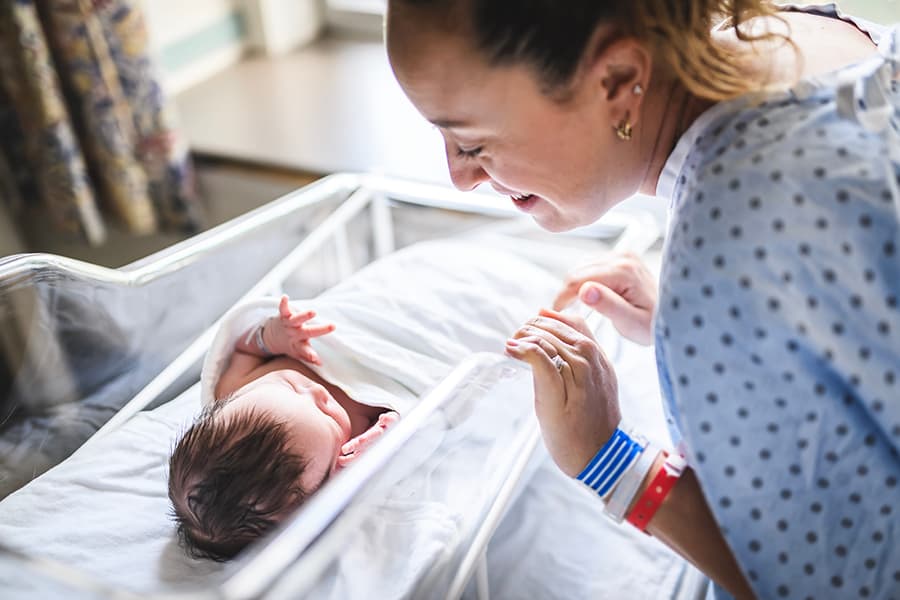
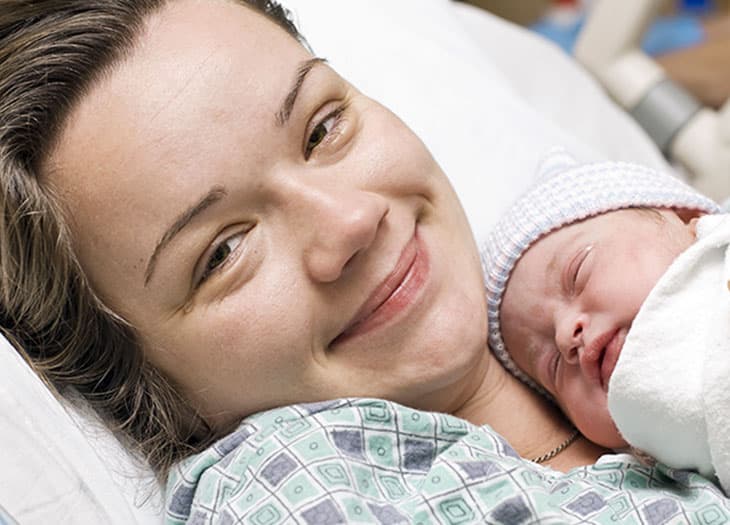

Cord blood is the blood left in a baby’s umbilical cord and the placenta after birth. It is rich in stem cells, which can be used to treat patients with life-threatening diseases like leukemia, lymphoma, and certain genetic disorders. These stem cells can help rebuild a patient’s blood and immune system, offering them a second chance at life.
Stem cells are also very useful in biomedical research. Doctors and scientists at Versiti and other medical facilities may use stem cells to learn about different diseases and conditions with the goal of improving health and developing new treatments.
By donating to Versiti Michigan, you are joining a community of parents who want to give hope to patients in need. As Michigan’s only public cord blood bank, we are proud to partner with the National Marrow Donor Program (NMDP). Through this partnership, your baby’s cord blood donation has the potential to be a lifesaving match for patients around the world.
Private cord blood banks store cord blood exclusively for use by your own family. These banks typically charge a fee for collection and then annual storage fees. If you choose a private bank, you will need to contact them directly to arrange for blood collection and storage.
Public cord blood banks, such as Versiti Michigan, are supported solely on donations. Public donation ensures that cord blood is available to patients worldwide who may be in need of lifesaving transplants. Because public banks are donation‑based, you cannot participate in Versiti’s program if you wish to reserve the cord blood only for yourself or your family.
After speaking with your healthcare provider about cord blood donation, Versiti will have you complete a health history and family medical history form. You will also need to sign and date a consent for donation prior to delivery. Please note that if the consent is not signed prior to delivery, we will be unable to accept your cord blood donation. Cord blood donation kits are kept readily available at all participating hospitals. When you arrive for delivery, let your medical team know you have signed up to donate. They will gather the necessary supplies for collection, and a nurse or medical provider will also obtain a maternal blood sample for required laboratory screening.
The collection itself is safe, painless, and takes place after your baby is born. Once the umbilical cord has been clamped and cut, your healthcare provider draws the remaining blood from the cord and placenta into a sterile collection bag. This process does not affect your labor, delivery, or your baby’s care in any way, and cord blood collection can be collected after either a vaginal or cesarean birth.
If you and your healthcare provider have discussed delayed cord clamping, you may still choose to delay clamping and donate cord blood. Collection can occur after delayed clamping, ensuring both your preferences and the donation process are respected.
Once collected, the cord blood is sent to our laboratory, where it is carefully tested. If the cord blood unit meets all requirements, Versiti Michigan Cord Blood Bank will freeze and securely store it at our facility in Grand Rapids, until it is needed by a patient for transplant.
Every donation goes through thorough testing to ensure it is safe and healthy to use. This includes completing detailed questionnaires about your health history, checking the cord blood for infectious diseases, confirming cell counts, and verifying the sample meets strict quality standards. Only units that pass these safety checks are listed on the national registry for transplant.
Not every donation will be suitable or matched for transplant. If your baby’s cord blood cannot be used for a patient, it may be used for important medical research to improve future treatments, or for training to help us improve the collection and processing procedure. Approved research may include the study of genetic material to better understand certain diseases, how individuals respond to specific drugs or treatments, or to advance medical knowledge that could lead to improved therapies and outcomes. All research is conducted under strict ethical and privacy guidelines, and all personal identifiers are removed before sharing with doctors, scientists, or other research facilities to protect your privacy.
Yes. Your privacy is very important to us. Your personal information and your baby’s medical details are kept strictly confidential, protected by law, and never shared without your permission. By law, certain confirmed positive test results (e.g., HIV, Hepatitis B and C, and Syphilis) must be reported to public health authorities.
Versiti Michigan Cord Blood Bank may share certain information about you and your baby’s cord blood with government agencies that oversee the program (US Food and Drug Administration, Office of Human Research Protection, Michigan State Department of Health or accrediting agencies) and representatives from your delivering hospital and the Institutional Review Board, in accordance with applicable laws and regulations. If you agree to participate and sign the consent, you are giving us permission to collect, use and share your information as described in the consent. This permission is called authorization.
Only authorized medical and laboratory staff involved in the donation process will see your health information. This includes the doctors and lab professionals who need it to safely collect, test, and store your cord blood. It is never shared with patients who may receive the donation.
No — participation is completely voluntary. Choosing to donate is a personal decision. If you decide not to participate, your choice will not affect your care, your baby’s care, or your relationship with your healthcare provider. Please note that once you sign the consent form and agree to participate, the donated cord blood becomes the property of Versiti, and you give up any rights to the donated cord blood.
Yes! The greatest benefit of donating is knowing it could give someone a second chance at life. Many families find deep comfort and pride in helping patients who are waiting for a lifesaving transplant. In addition to helping others, cord blood donation may also provide valuable health insights. In rare cases, testing may reveal an infection or genetic condition—giving families the opportunity to seek early treatment and care.
There is no cost to you for donating. Versiti Michigan Cord Blood Bank covers the collection, testing, and storage. Because this is a gift to help patients, you will not receive payment for donating.
- Are there any physical risks?
No. Cord blood donation is safe and does not affect your labor, delivery, or your baby’s health. Collection only happens after your baby is born and the cord has been clamped and cut. It is also very unlikely that you will be harmed during collection of the blood sample used for any testing. The amount of blood collected from you is small (about 2-3 tablespoons). Taking the blood sample from your arm has a small risk of pain and bruising, lightheadedness, possible fainting—and rarely—infection. - Are there other risks?
Some of the health history questions that are required to be answered are personal and may cause you to feel embarrassed. It is also possible that some information obtained by participating in the program—such as test results—may have negative psychological or financial effects.
There is a very remote possibility that in the future your child or another family member may develop a disease requiring a stem cell transplantation. If the cord blood you donated has not already been used by another patient and is still available at that time, it can be made available to your family at a cost. If cord blood is needed to treat the disease, the treating provider must determine whether the stored cord blood would be appropriate for use. - Are there any risks to confidentiality?
Your privacy is very important to us. While there is always a very small risk that health information could be accidentally released, strict protections are in place to keep your information safe and confidential.
Because the collection happens after your baby is born and poses no physical risk, harm is extremely unlikely. However, if you ever feel that your rights or well-being have been affected, we encourage you to contact us immediately so we can investigate and address your concerns.
No, only donors 18 years old or older or emancipated minors may donate.
Yes, there are certain situations where you may become ineligible to donate. Please remember that signing consent does not guarantee participation, as your clinician’s first priority is always the health and safety of both mother and baby.
Several examples include:
- You, your baby’s father, or baby’s sibling have a history of cancer or serious blood disorders.
- You are less than 34 weeks pregnant at time of delivery.
- You are expecting a multiple birth (twins, triplets, etc.)
- If there is a medical emergency or complication during delivery.
If you have any questions, you can call Versiti Michigan Cord Blood Bank at 616-233-8604.
The National Marrow Donor Program (NMDP) works with cord blood donors, transplant patients, and cord blood banks. Additional information about general cord blood banking is available on their website at www.nmdp.org.
The Parent’s Guide to Cord Blood Foundation exists to provide answers to questions regarding cord blood donation, banking, and private cord blood storage. More information about cord blood can be found on their website at www.parentsguidecordblood.org.