


Versiti - Versiti Hematology Lab
Explore our service lines

HematologyTesting

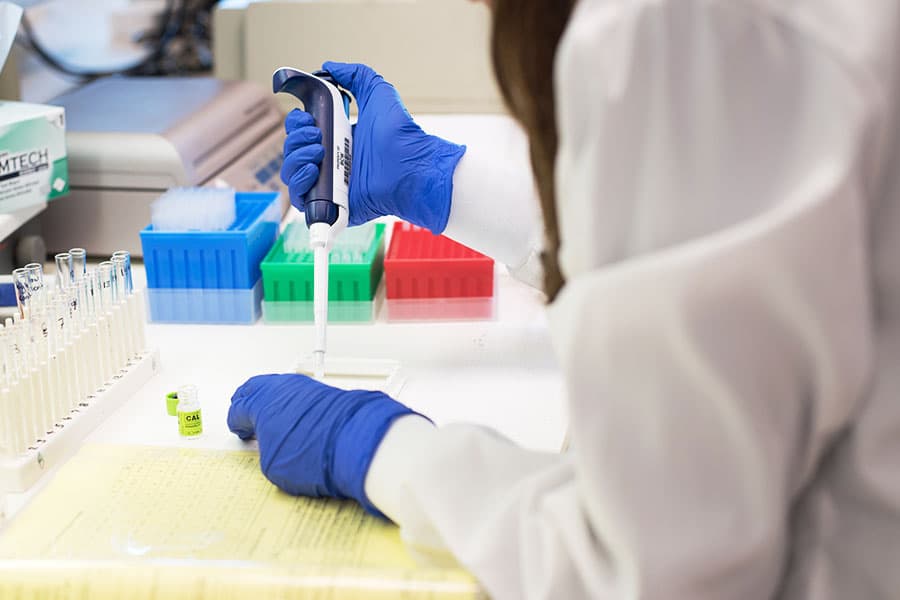
Versiti’s nonmalignant hematology lab guides patient diagnosis, care and treatment through integrated laboratory, research and clinical solutions.

Hemostasis Lab and Platelet & Neutrophil Immunology Lab

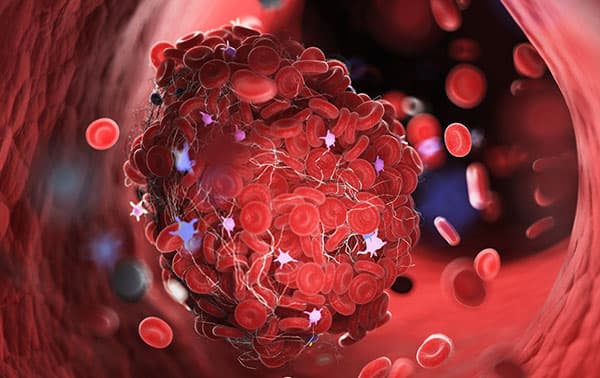
Versiti’s specialized focus in hematology includes research and diagnostic services for medical conditions such as anemia, including iron-deficiency anemia; platelet and white blood cell disorders; sickle cell disease; and bleeding and clotting disorders.

Contact Us
  • 800-245-3117 x6250
  • Bleeding Disorders

    • von Willebrand disease (VWD)
    • Hemophilia (factor VIII or factor IX deficiencies)
    • Platelet function defects

    Clotting Disorders

    • Rare factor deficiencies
    • Protein C and S deficiencies
    • Prothrombin gene mutation
    • Thrombotic thrombocytopenia purpura (TTP)
    • Hyperhomocysteinemia
    • Elevated LP(a) (also known as lipoprotein(a))
    • Factor V Leiden
    • Antithrombin III gene mutation

    Diagnostic Tests for Platelet and White Cell Disorders

    Versiti Diagnostic Labs provides specialized testing for the evaluation of disorders involving abnormal numbers of blood cells, including immune and non-immune disorders of red blood cells, white blood cells and platelets. We also provide comprehensive functional and genetic testing in support of inherited and immune platelet and neutrophil disorders. 

    Available evaluations include: 

    • Pancytopenia
    • Leukopenia
    • Thrombocytopenia
    • (Auto) Immune thrombocytopenia (ITP)
    • Drug-induced cytopenia (anemia, thrombocytopenia, leukopenia)
    • Anemia, including iron deficiency, other nutritionalanemiasand autoimmune hemolytic anemias
    • Leukocytosis
    • Thrombocytosis (reactive and essential thrombocythemia)
    • Polycythemia (suspected primary – PV, and secondary)
    • Myelodysplasia
    • Myeloproliferative disorders (myelofibrosis, polycythemia vera, essential thrombocythemia
    • Hematology in pregnancy (gestational thrombocytopenia, ITP)
    • Monoclonal gammopathy of undetermined significance (MGUS)

     Our targeted focuses for functional and genetic testing includes: 

    • Drug-induced thrombocytopenia, including HIT
    • Idiopathic thrombocytopenia (ITP)
    • Fetal and neonatal alloimmune thrombocytopenia (FNAIT)
    • Allo- and autoimmune neutropenia
    • Drug-induced neutropenia
    • Neonatal alloimmune neutropenia

    Comprehensive von Willebrand Disease Testing

    Versiti is recognized as a national leader in the diagnosis and evaluation of von Willebrand disease, offering one of the most advanced and comprehensive testing programs available. Their approach combines cutting‑edge laboratory science with deep clinical expertise to address the complexity of VWD, which is both the most common inherited bleeding disorder and one of the most frequently misdiagnosed.

    Why Clinicians Trust Versiti for VWD Testing

    • Highly specialized assays not widely available elsewhere
    • Reflexive algorithms that streamline diagnosis
    • Expert interpretation by leaders in hematology and hemostasis, plus genetic counselors
    • Commitment to advancing VWD diagnostics through research and innovation

    Versiti’s comprehensive and methodical approach provides clinicians with confidence that their patients are receiving the most accurate and clinically meaningful evaluation possible. 

    Hematology Testing

    Comprehensive, Patient‑Specific Diagnostic Approach

    Versiti’s VWD testing program is built around a reflexive, algorithm‑driven diagnostic panel that ensures each patient receives a tailored evaluation. Their VWD Diagnostic Panel includes essential assays such as: 

    • VWF Antigen
    • VWF:GPIbMActivity
    • VWF Collagen III Binding
    • Factor VIII Activity

    These core tests are automatically included, and additional specialized assays, such as VWF multimer analysis, VWF propeptide antigen, or Type 2N and 2B binding studies, are reflexively added when clinically indicated. This ensures that subtle or rare VWD subtypes are accurately identified. 

    Advanced Methodologies & Specialized Assays

    Versiti employs state‑of‑the‑art methodologies, including: 

    • ELISAbased VWFGPIbMActivity
    • Turbidimetric latexbased assays

    These methods are selected to maximize accuracy and reliability across different age groups and clinical scenarios. 

    Multidisciplinary Expertise

    Versiti emphasizes that its VWD program is supported by a multidisciplinary team of hematologists, laboratory scientists, and diagnostic specialists. Their combined expertise ensures that test results are interpreted within the context of each patient’s unique clinical picture, reducing the risk of misdiagnosis and improving care quality. 

    Placeholder

    von Willebrand Factor VWF GPIbM Activity Testing

    Versiti offers VWF GPIbM activity testing to measure von Willebrand factor platelet binding function. The VWF GPIbM Activity assay measures binding of VWF to mutant GPIba without the need for ristocetin and is well correlated with the VWF:RCo assay1. The VWF GPIbM Activity assay demonstrates superior precision and sensitivity2 compared with the VWF ristocetin cofactor assay. Additionally, it is not subject to the falsely low values seen in individuals who possess the common p.D1472H polymorphism or the rare p.P1467S variant3, both of which confound the accurate diagnosis of von Willebrand disease (VWD). 

    In 2024, Versiti Diagnostic Laboratories added the automated Innovance® VWF:GPIbM Assay to our clinical testing menu for clients who utilize our Hemostasis Laboratory. Because the Innovance® VWF:GPIbM Assay is FDA approved for patients over 6 months of age, we will continue to offer our ELISA-based method exclusively for patients 0-6 months of age. The appropriate assay methodology will be automatically applied during the order entry process based upon the patient’s age at the time of sample draw and cannot be altered upon request. 

    Still to come is the new VWF GPIbM Confirmatory Panel (order code #1098), which includes two non-ristocetin dependent methods of measurement of VWF binding to GPIba. Because Versiti’s ELISA-based method is not affected by the interference that may occur with some automated turbidimetric methods, this panel can be used both to identify the interference and to ascertain the true VWF:GPIbM activity level.

    Assay/Panel Name
    Order Code
    Sample Requirements
    VWF GPIbM Activity
    1990
    (1) 1 mL aliquot frozen citrated plasma
    VWD Diagnostic Evaluation
    1850
    (6) 1 mL aliquots frozen citrated plasma
    VWF Inhibitor Profile
    1050
    (2) 1 mL aliquots frozen citrated plasma
    VWD Monitoring Profile
    1230
    (3) 1 mL aliquots frozen citrated plasma
    GPIbM Confirmatory Panel
    1098
    (2) 1 ml aliquots frozen citrated plasma


    Sources

    Geisen U, Zieger B, Nakamura L, Weis A, Heiz J, Michiels JJ, Heilman C. Comparison of von Willebrand factor (VWF) activity VWF: Ac with VWF ristocetin cofactor activity VWF: RCo. Thromb res 2014. 134: 246-50. 

    Patzke J, Budde U, Huber A, Mendez A, Muth H, Obser T, Peerschke E, Wilkens M, Schneppenheim R. Performance evaluation and multicentre study of a von Willebrand factor activity assay based on GPIb binding in the absence of ristocetin. Blood Coagul Fibrinolysis 2014; 25: 860-70. 

    Flood VH, Gill JC, Moratek PA, Christopherson P, Friedman KH, Haberichter SL, Hoffman RG, Montgomery RR. Gain-of-function GPIb binding ELISA assay. 

    1295

    ADAMTS13 Evaluation

    ADAMTS13 Evaluation is a reflexive testing algorithm for evaluation of TTP. Activity is always performed. If result is <= 30%, the inhibitor assay (1297) is performed. If inhibitor result is <= 0.7 Inhibitor Units, the antibody assay (1299) is performed. USA test status: This is a laboratory developed test (LDT). 

    1850

    VWD Diagnostic Panel

    Reflexive algorithm always includes: FVIII Activity, VWF Antigen, VWF:GPIbM Activity, and VWF Collagen III Binding. Reflex testing may include: VWF Quantitative Multimer, VWF Propeptide Antigen, VWD Type 2N Binding and/or VWD Type 2B Binding. For patients <6 months of age, the ELISA-based VWF GPIbM Activity will be performed. For patients >/=6 months of age, Turbidimetric latex-based assay VWF GPIbM Binding Activity will be performed. VWF GPIbM Activity methodology cannot be changed upon request. USA test status for ELISA method: This is a laboratory developed test (LDT). USA test status for Turbidimetric latex-based method: This is an In Vitro Diagnostic test (IVD). 

    Contact us to learn about the wide variety of laboratory services and blood components.
    Contact the Team