Versiti - Richard “Dick” Aster, MD (July 30, 1930 – May 30, 2026) | A Life That Helped Shape Modern Blood Medicine | Newsroom
Explore our service lines

Articles

A Life That Helped Shape Modern Blood Medicine

Milwaukee — June 02, 2026
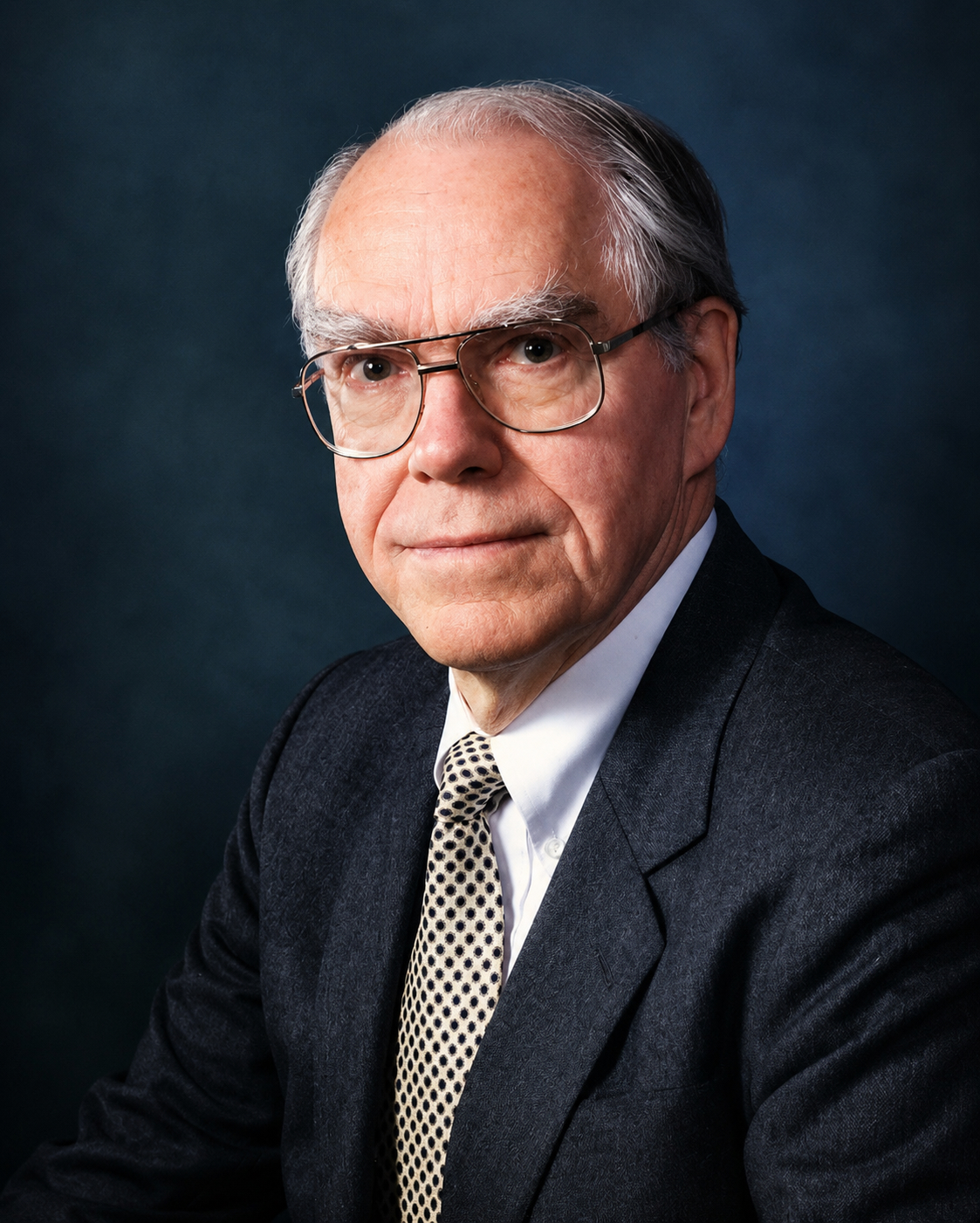
Richard “Dick” Aster, MD (July 30, 1930 – May 30, 2026)

Richard Herbert “Dick” Aster, M.D., spent more than six decades advancing the science of blood health while helping build one of the nation’s leading blood research institutions and shaping generations of physicians, scientists and healthcare leaders along the way.  

As a hematologist, researcher, mentor and institutional leader, Dr. Aster helped transform the understanding and diagnosis of complex immune blood disorders. His work influenced patient care around the world and helped establish scientific foundations that continue to guide hematology and transfusion medicine today.

But those who knew him often describe something else first: his humility, intellectual curiosity and deep belief that science should remain grounded in service to people.

Dr. Aster passed on Saturday, May 30, at age 95, leaving a lasting legacy of service and scientific contribution.

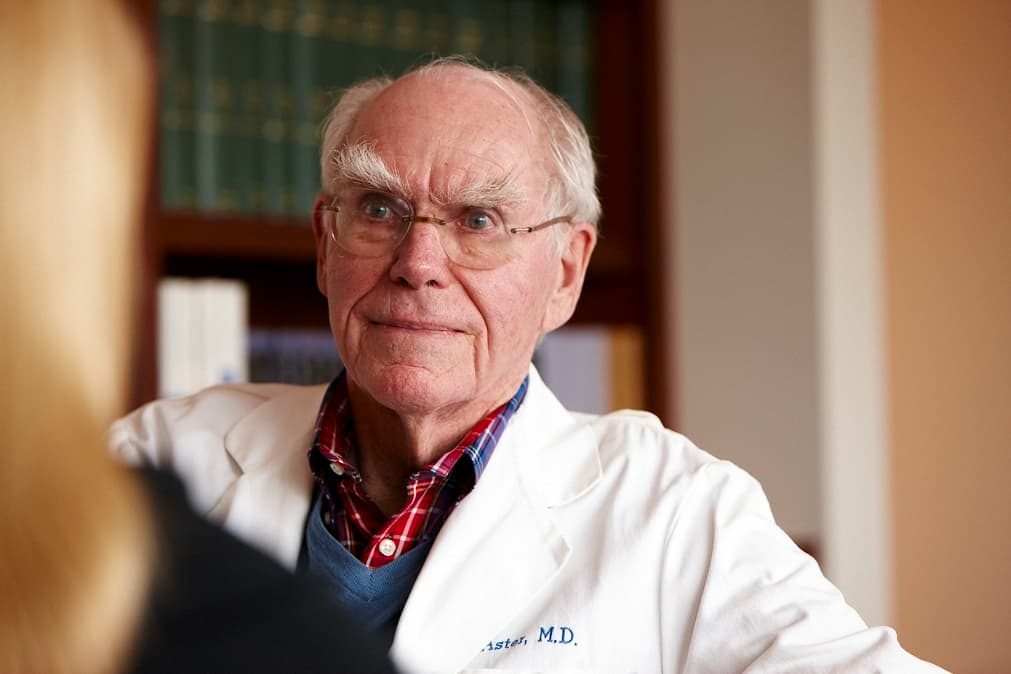
Dr. Richard Aster
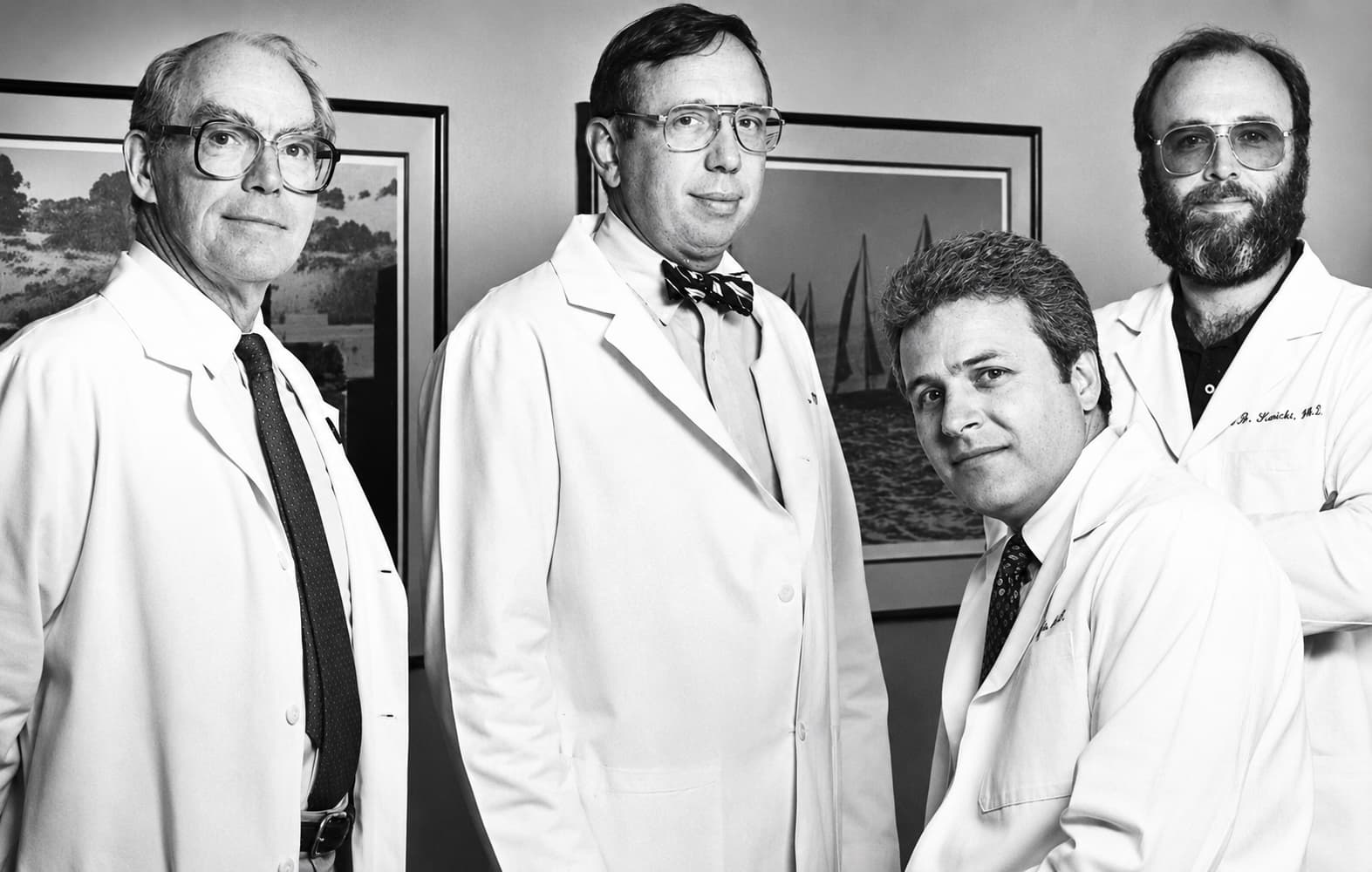
Dr. Richard Aster, Dr. Bob Montgomery, Dr. Thomas J Kunicki and another researcher at the Versiti Blood Research Institute.

A Lifelong Curiosity About Science

Dick Aster was born July 30, 1930, in Detroit to George and Gertrude Aster. After the death of his father when Dick was 6 years old, the family relocated to Grand Rapids, Michigan, where he attended public schools.

From an early age, he developed a deep curiosity about science through his father’s book collection and countless hours spent in local libraries. That curiosity would shape the course of his life and career.

He earned both a bachelor’s degree in physics and his medical degree from the University of Michigan before training in internal medicine at Massachusetts General Hospital in Boston.

A research training program at the National Institutes of Health later proved especially formative. There, Dr. Aster spent two years in hematology and one year in transfusion medicine, experiences that sparked a lasting interest in blood transfusion and immunology and helped define the direction of his future work.

He later returned to Boston for additional hematology training at the Thorndike Memorial Laboratory of Boston City Hospital and served as an assistant professor of medicine at Harvard Medical School.

Building Science into Service

In 1970, Dr. Aster became executive director of the Milwaukee Blood Center, now Versiti, and professor of medicine at the Medical College of Wisconsin.

The decision reflected something he believed strongly throughout his career: research and patient service should not exist separately.

He was drawn to the Blood Center in part because of its early and unique commitment to integrating scientific research into transfusion medicine and blood services. At the time, relatively few blood centers viewed research as central to their mission. The Milwaukee Blood Center did.

That alignment helped shape not only Dr. Aster’s career, but the future of the institution itself.

During his tenure as president and CEO from 1975 to 1996, the organization expanded blood services across Wisconsin, established nationally recognized diagnostic laboratories, strengthened hospital partnerships and built the Blood Research Institute on the campus of the Milwaukee Regional Medical Center.

Under subsequent leadership, the organization evolved into Versiti, now one of the nation’s largest blood health organizations, while the Versiti Blood Research Institute became internationally recognized for research in hematology and immunology.

Dr. Richard Aster

Advancing the Understanding of Platelet Disorders

Dr. Aster’s scientific work fundamentally advanced understanding of immune diseases affecting blood cells, particularly platelets.

His research focused on conditions including:

  • drug-induced thrombocytopenia
  • neonatal alloimmune thrombocytopenia
  • heparin-induced thrombocytopenia (HIT)

Research led by Dr. Aster and his colleagues helped establish diagnostic approaches that became standards in hematology and transfusion medicine.

Over time, that work improved clinicians’ ability to identify and manage serious blood disorders, contributing to safer transfusion practices and better patient care worldwide.

Throughout his career, Dr. Aster authored approximately 400 scientific papers and held nine patents.

Even after retiring as CEO, he remained a full-time senior investigator at the Versiti Blood Research Institute until his official retirement in 2021.

One NIH-supported hemorrhagic disease research grant connected to his work remained active for decades and was among the longest-running NIH research awards at the time of his retirement. 

A Mentor, Teacher and Builder of Institutions

For many colleagues, Dr. Aster’s legacy extends beyond research findings or institutional accomplishments.

He mentored generations of physicians, scientists and laboratory leaders while remaining deeply involved in teaching programs at the Medical College of Wisconsin. Over the years, he also served as acting head of hematology/oncology and director of the MCW Cancer Center.

His influence reached across the field through leadership roles with organizations including the American Society of Hematology, Blood Centers of America, the National Bone Marrow Donor Program and numerous scientific and healthcare organizations.

He also helped found organizations that strengthened blood health research and patient care, including the Great Lakes Hemophilia Foundation, the Blood Center Research Foundation and GTI Diagnostics.

Those who worked with him frequently describe a leader who valued thoughtful inquiry, collaboration and steady progress over personal recognition.

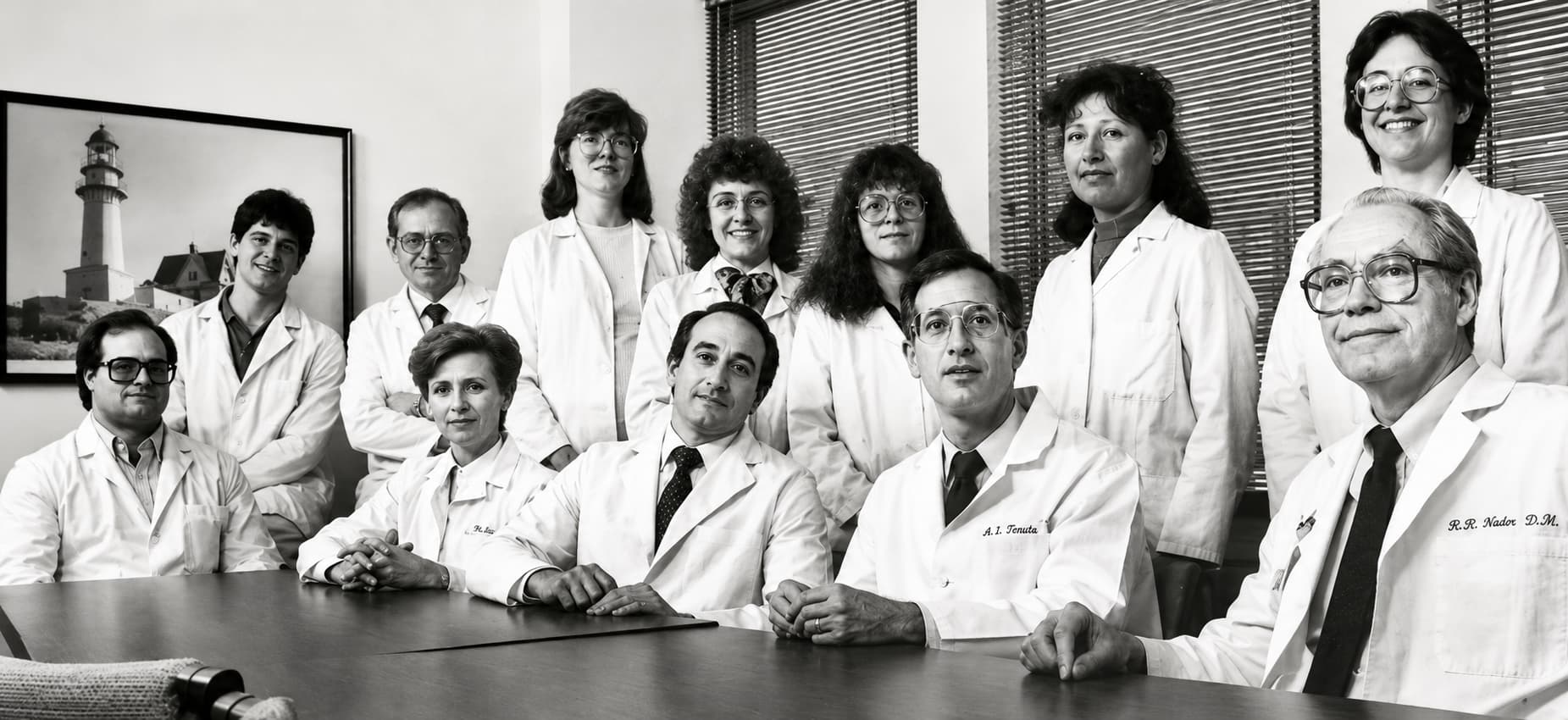
Dr. Richard Aster and members of Versiti Blood Research Institute.

A Full Life Beyond the Laboratory

Outside medicine and research, Dick deeply valued family, reading, sports and golf, a lifelong passion he shared with his wife of more than 57 years, Sara “Patsy” Aster.

He took particular joy in time spent with his children, grandchildren and great-grandchildren, who knew him affectionately as “Grandpa Dick” and “Bop.”

A Lasting Legacy

Over the course of his career, Dr. Aster received many of hematology’s highest honors, including the Henry M. Stratton Award for Translational Research and the Wallace H. Coulter Award for Lifetime Achievement from the American Society of Hematology.

But for many across Versiti and the broader hematology community, his enduring impact lives not only in awards or scientific literature.

It lives in the patients helped by discoveries he advanced, the institutions he strengthened, the people he mentored and the scientific culture he helped build.

Richard “Dick” Aster helped demonstrate that scientific rigor and human humility can exist side by side. His work continues in the science, partnerships and people moving blood health forward today.


Versiti Blood Research Institute Welcomes Carlos Villa, MD, PhD, as Clinician Investigator in the Translational Hematology Program

Versiti Blood Research Institute welcomes Carlos Villa, MD, PhD, as a clinician investigator in the Translational Hematology program. With experience in transfusion medicine, regulatory review and translational research, Dr. Villa will support collaborative studies that connect laboratory discovery, diagnostic testing and patient care.