Thrombosis &
Hemostasis
"Clotting and bleeding disorders affect millions, from heart attacks and strokes to hemophilia and von Willebrand disease. Our program decodes coagulation at every level—molecular interactions, cellular behavior, patient outcomes. We trace how clots form, why they form in dangerous places, and why some people bleed when they shouldn't. This precision matters. Better biochemistry leads to better diagnostics, safer therapies, and lives saved."
"Every breakthrough in hemostasis starts with understanding what happens at the molecular level. Our investigators study coagulation factors, platelet function, and immune responses to reveal mechanisms that drive both bleeding and clotting disorders. We develop gene therapies, improve diagnostics, and identify therapeutic targets. This is research that connects fundamental biology to clinical impact."
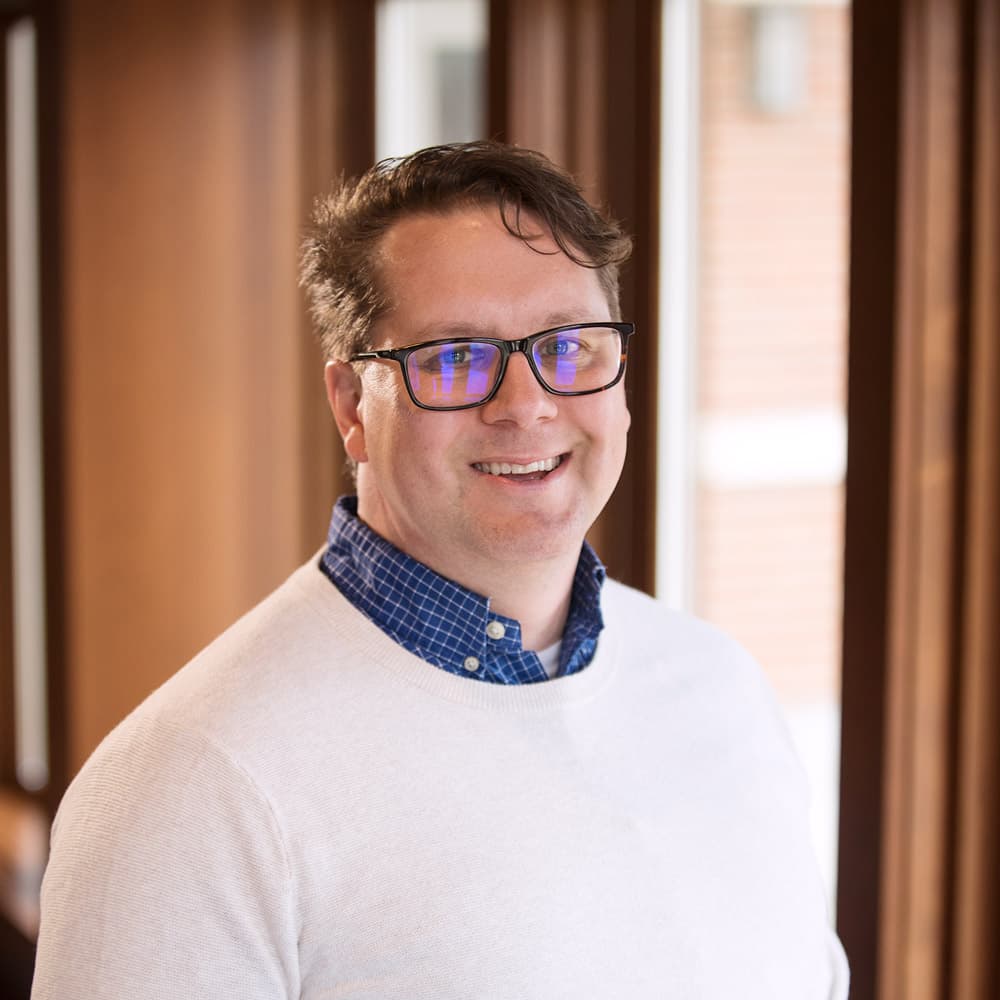
Brian Branchford, MD
Hospitalized children face hidden dangers when inflammation triggers dangerous clots. We study how illness affects how platelets activate and blood clots form. Our work identifies which children are at the highest risk and tests prevention strategies that work.
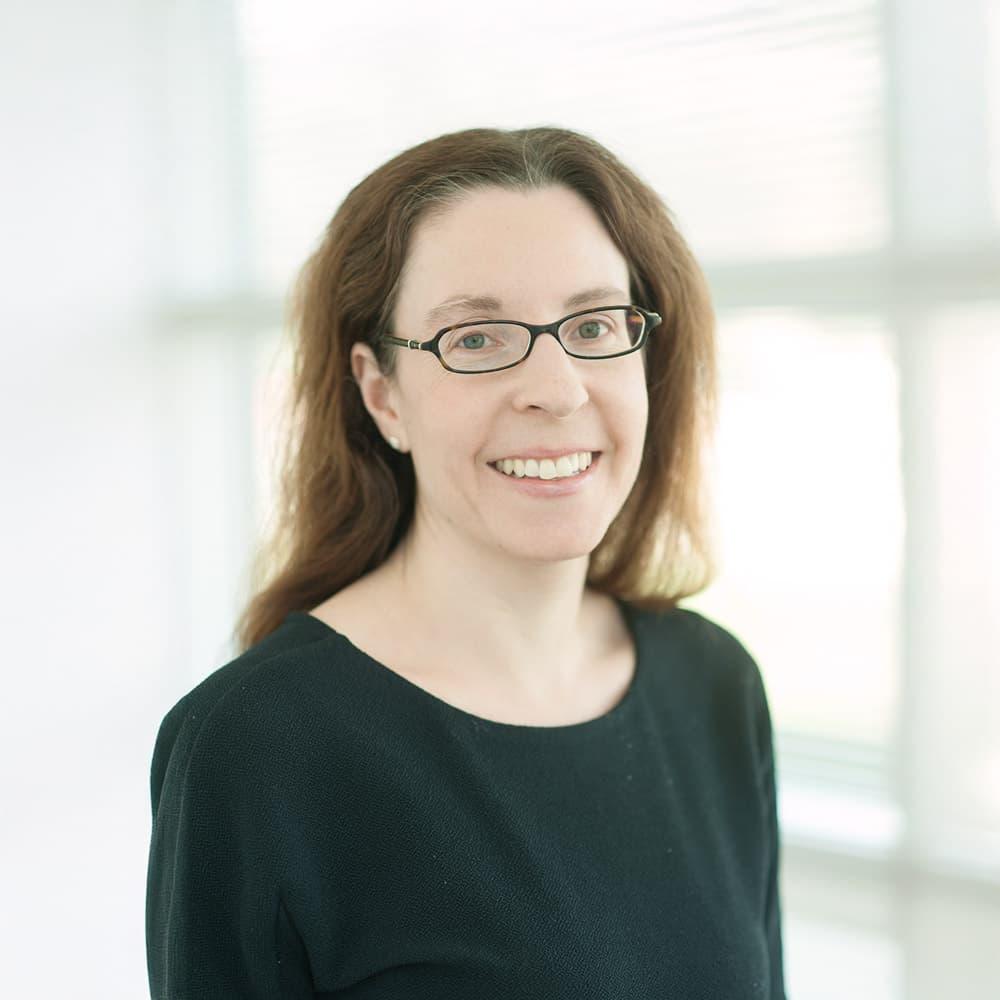
Veronica Flood, MD
Von Willebrand factor holds our clotting system together. We study how this essential protein grabs onto platelets and vessel walls to seal injuries. Our patient studies reveal why bleeding severity varies so widely and help us match each person with the treatment that works for them.
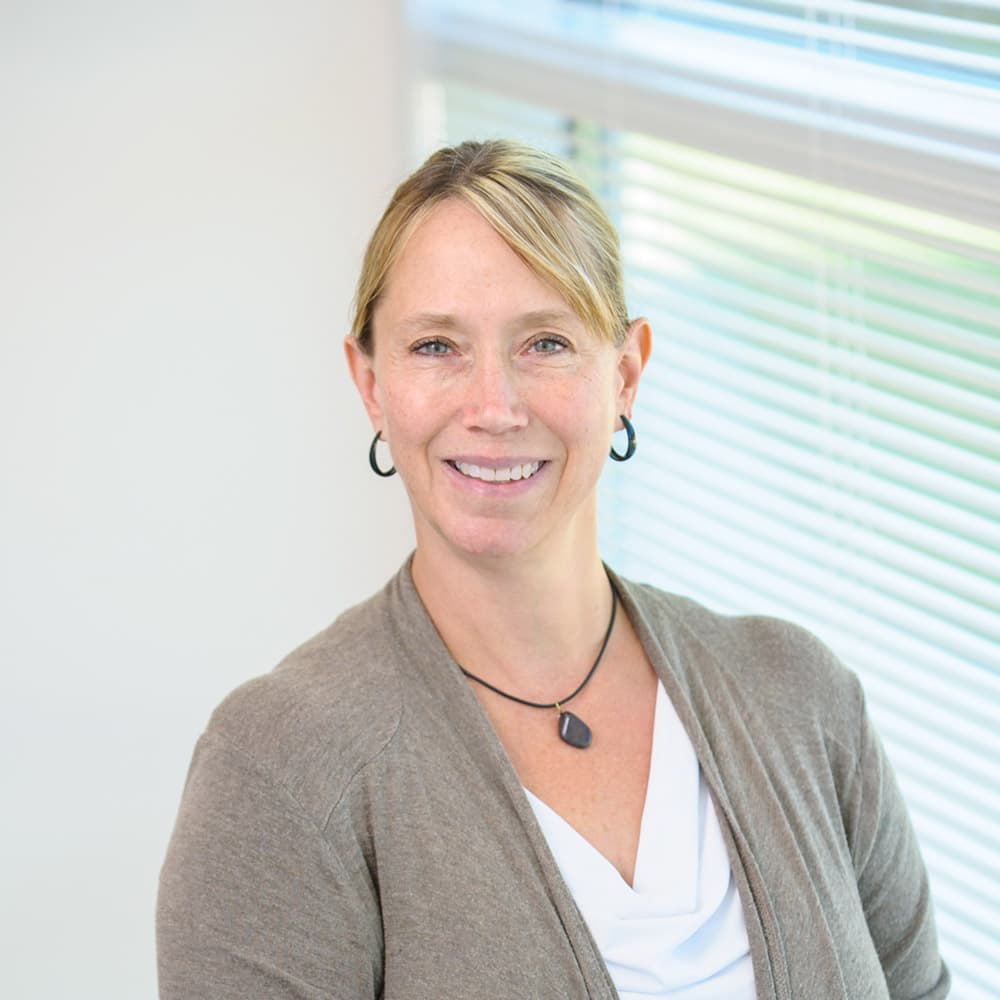
Sandra L Haberichter, PhD
Von Willebrand disease hides in the molecular details. We trace what goes wrong when cells can't build, store, or release this critical clotting protein. Understanding these defects explains why some patients bleed catastrophically while others bruise easily. This precision helps doctors diagnose faster and treat smarter.
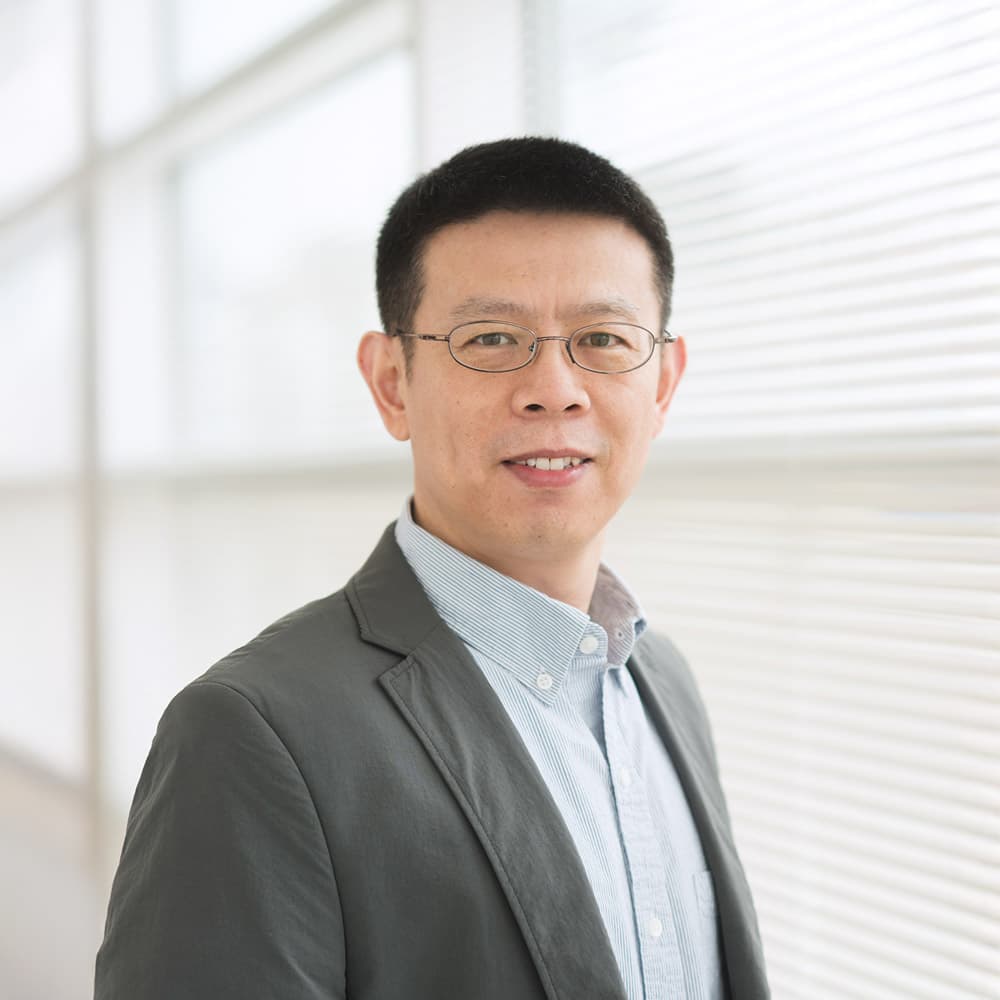
Yan-Qing Ma, PhD
Integrins are essential proteins that guide immune cell recruitment and platelet aggregation. When their master regulator, Kindlin-3, malfunctions, the resulting imbalance can lead to life-threatening infections and bleeding disorders. Our lab investigates the molecular mechanisms underlying this dysregulation, aiming to bridge the gap between basic cell biology and the development of safer, more targeted therapeutic strategies to prevent and treat inflammation and thrombosis, which are among the leading causes of morbidity and mortality worldwide.
Alan E. Mast MD, PhD
The human body has a natural brake on clotting called tissue factor pathway inhibitor. We study how it works to prevent clots from forming when they shouldn't. We also lead national research on iron health in blood donors. Together, these efforts connect blood clot prevention, donor health, and blood supply safety.
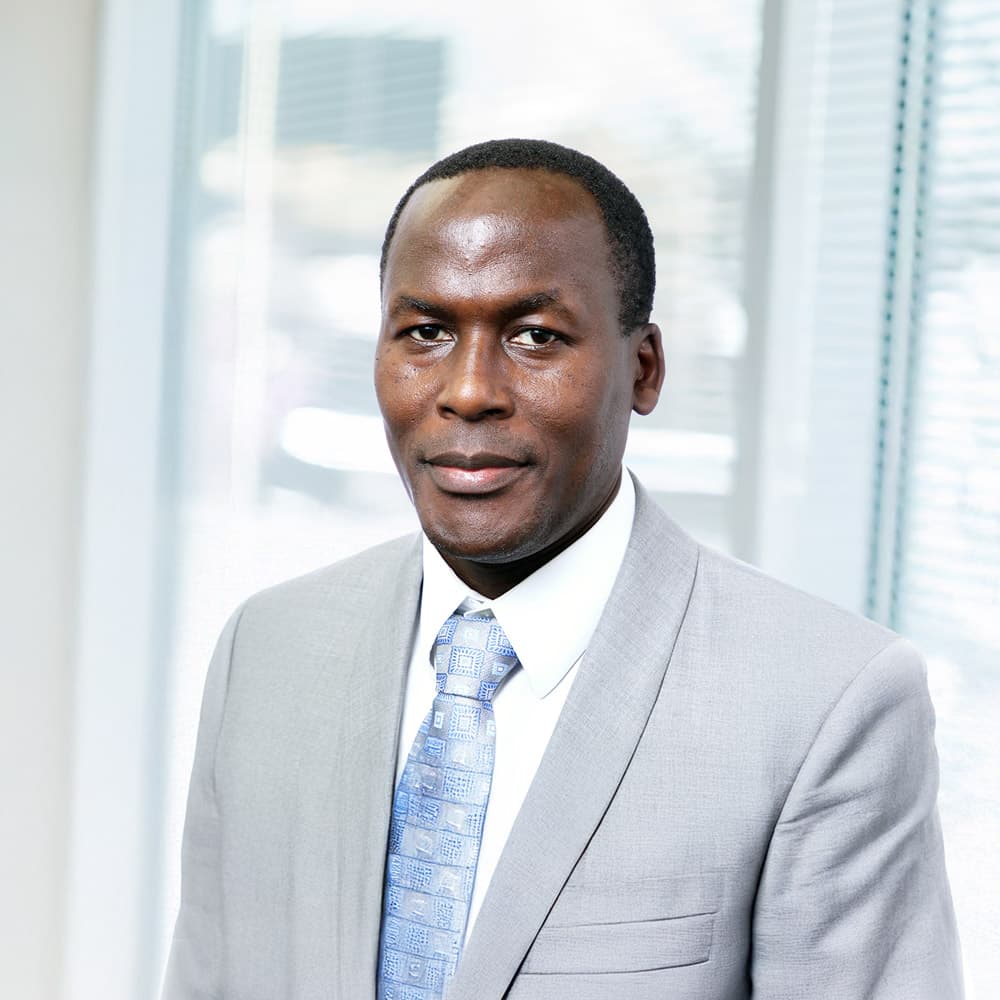
Joshua Muia, PhD
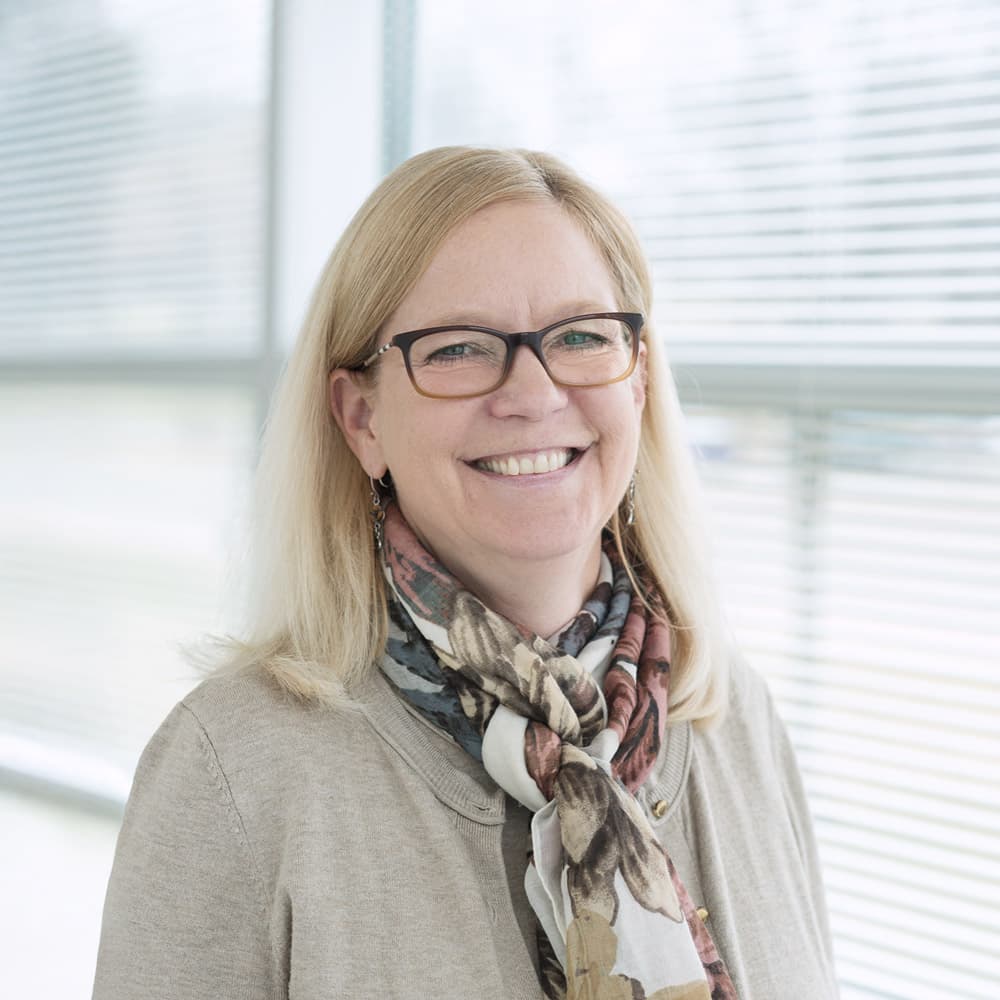
Enzymes called ADAMTS proteins cut through the molecules that cause clots and heart disease. When they malfunction, people suffer strokes or bleed uncontrollably. We map how these proteins function and develop sensitive tests that detect disease earlier.
Debra K. Newman, PhD
A mother's immune system can destroy her baby's platelets before birth. We study why some pregnancies trigger this devastating response while others don't. Our work traces the breakdown in immune tolerance that causes severe bleeding in newborns. Understanding these mechanisms helps us prevent tragedy through earlier diagnosis and better care.
Qizhen Shi, MD, PhD
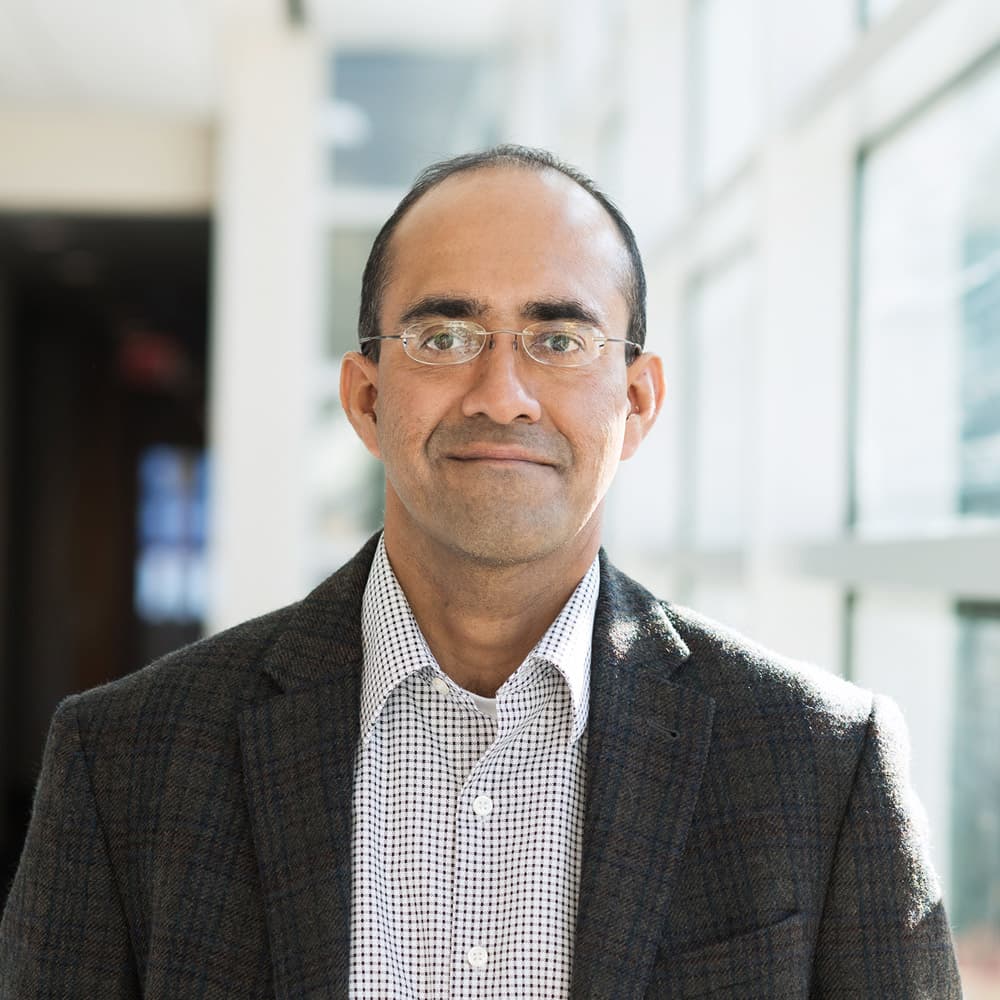
People with hemophilia bleed because their blood lacks important clotting proteins. We develop gene therapies that teach platelets to make these missing proteins. Because platelets naturally rush to injury sites, they can deliver treatment exactly where it’s needed, making therapy safer and longer lasting. We also study why some patients develop immune resistance and how to overcome it.
Prithu Sundd, PhD
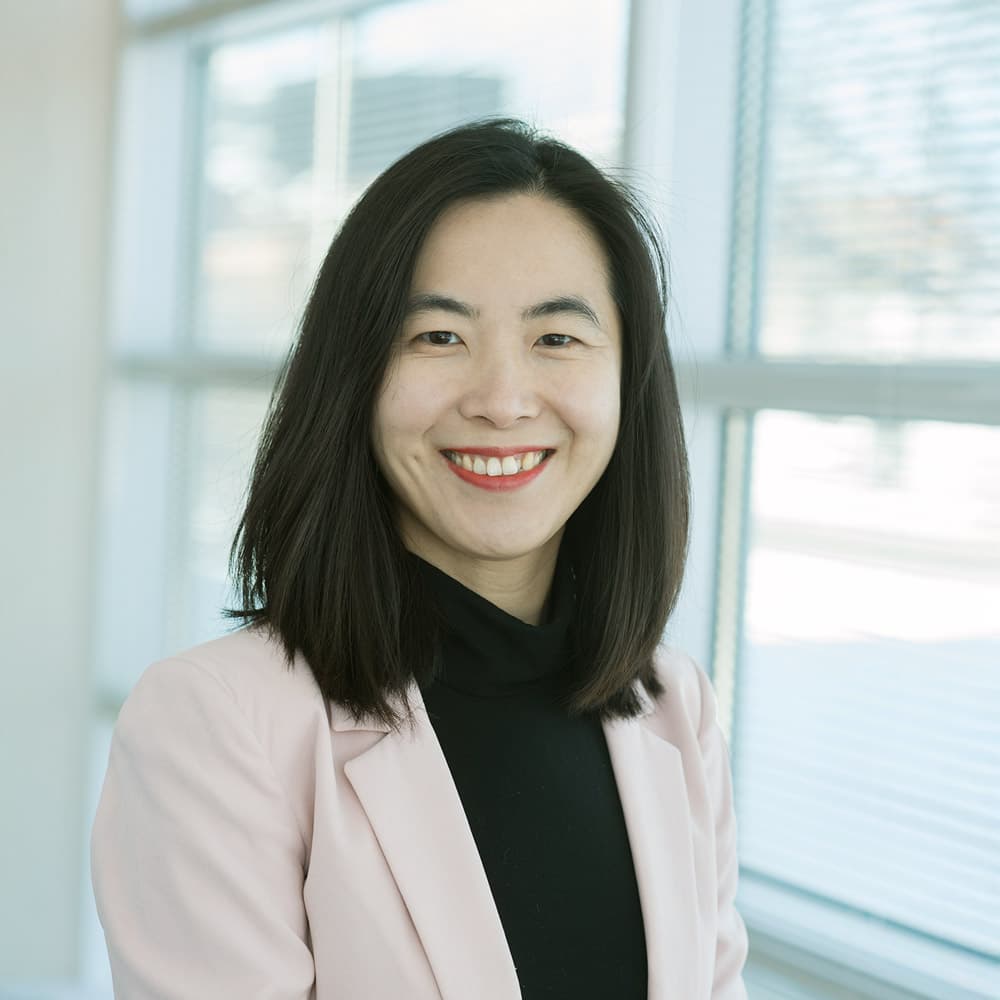
Sickle cell disease triggers acute episodes of pain crises, which may progress to respiratory faliure, when inflamed blood cells clog blood vessels in lung and other organs. We use advanced imaging combined with highly sophisticated genomics approach to understand how this happens in real time. Our work shows how white and red blood cells, platelets, and vessel walls interact to form blockages. These discoveries point toward new therapies that prevent or rescue hospitalization of these highly vulnerable population.
Ze Zheng, MD, PhD
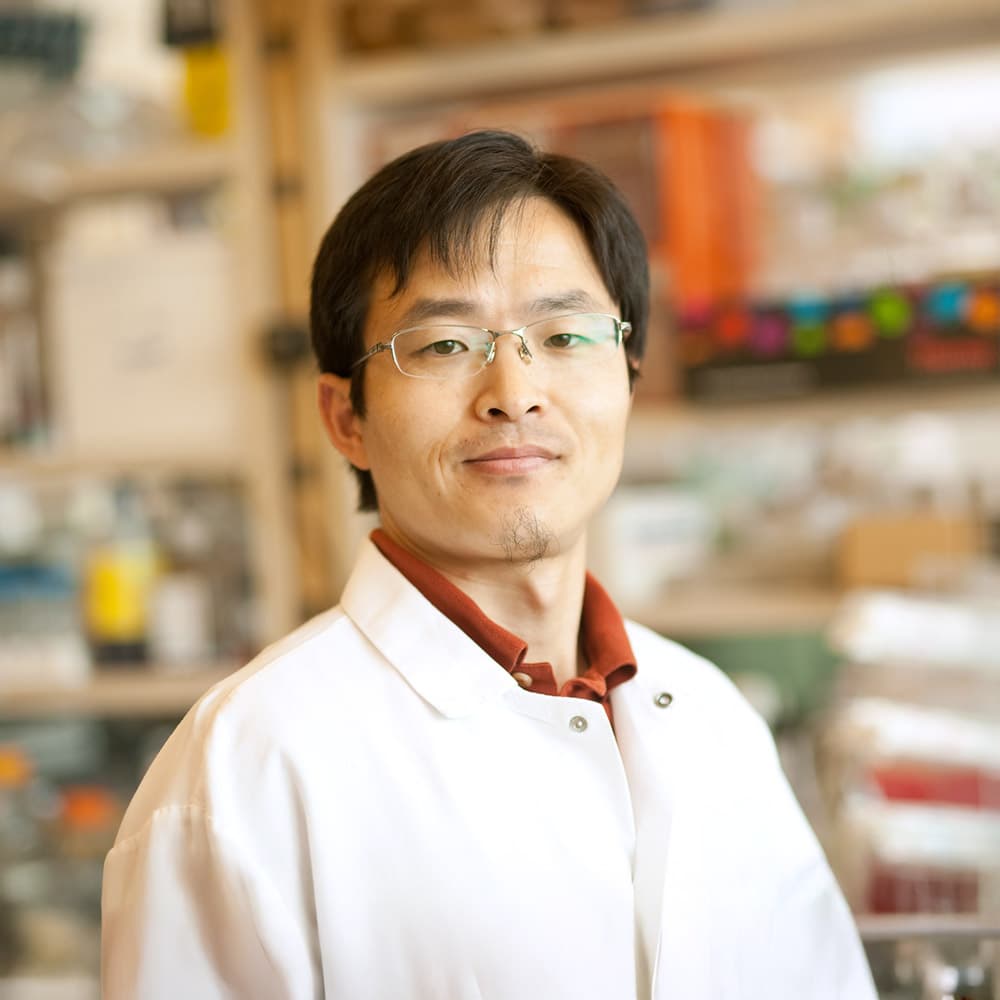
Your liver makes proteins that both carry cholesterol and make or dissolve clots. We study how these systems talk to each other and what happens when metabolic stress throws them off balance. Understanding this connection helps us prevent heart attacks, strokes, and dangerous bleeding.
Jieqing Zhu, PhD
Cell-surface receptors called integrins sense the external environment and relay signals into the cell to regulate adhesion, migration, and cell–cell interactions. We investigate how integrins change shape to transmit signals that control immunity, development, and disease. Mapping these structural transitions helps scientists design therapies that precisely target pathological processes while minimizing effects on healthy cells.