Understanding how to clear iron buildup in the body is key in preventing organ damage in SCD patients. Researchers have long understood that hemoglobin can be cleared from the liver and spleen via macrophages, a type of white blood cell. Recently, Dr. Pradhan-Sundd’s lab discovered that endothelial cells, the cells that line blood vessels, also play an important role in hemoglobin clearance in the bloodstream. “This opens up a new area of research,” she said. “Our main focus is to look at the function of how the liver clears hemoglobin-heme- iron in sickle cell disease and other relevant hematological disorders.”
To accomplish this, Dr. Pradhan-Sundd plans to obtain biopsied liver samples from patients with various levels of iron accumulation. Her goal is to identify biomarkers for chronic organ injury and hemoglobin buildup related to blood transfusions, as well as receptors for endothelial cell-driven hemoglobin clearance. “The aim is to understand how iron accumulation builds up over time and how it affects the liver,” she said, “and find a bench-to-bedside connection.”
Identifying these biomarkers will help Dr. Pradhan-Sundd and her team develop a treatment to improve the liver’s regeneration capacity. This would enable SCD patients to continue to receive blood transfusions without the risk of iron building up in their bodies and may also help other organs affected by the disease. “We are still far away from a complete cure for all SCD patients,” she said, “but we are getting closer to the root of the issue.
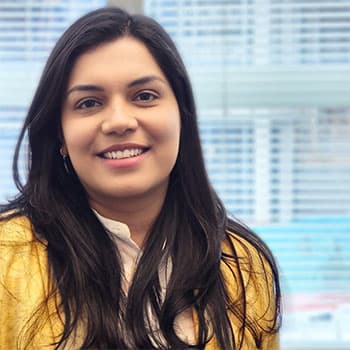
About the expert: Tirthadipa Pradhan-Sundd, PhD, is an associate investigator at Versiti Blood Research Institute and an assistant professor in the Department of Cell Biology, Neurobiology and Anatomy, and Division of Hematology and Oncology at the Medical College of Wisconsin.