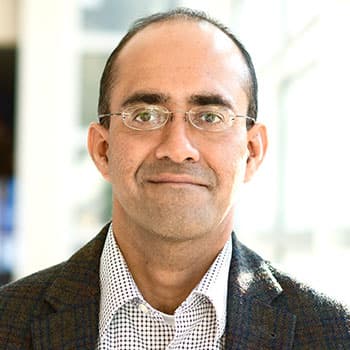
For years, Dr. Sundd has explored the immune system’s role in SCD complications, especially transfusions’ role in reducing harmful inflammation. His research has also led him to study complement activation, a component of the immune system that usually fights infections. But, for SCD patients, complement activation occurs even when there’s no infection.
The immune system attacks the body, causing blood vessel damage, clotting, increased pain, and organ damage. When patients receive a blood transfusion, these symptoms subside. Dr. Sundd theorizes that blood transfusions help reduce complement activation, though the exact mechanism is unknown.While transfusions address SCD symptoms, they are by no means a panacea. Frequent transfusions overload vital organs with iron, leading to serious issues like heart, liver, and kidney failure. Ironically, transfusions may cause the same damage as the SCD itself.
Despite these complications, Dr. Sundd believes that blood transfusions may hold the key. What if scientists could create a treatment that mimics the lifesaving benefits of transfusions minus the side effects?
“If we confirm that transfusions reduce complement activation, we could develop drugs that target the same pathway,” Dr. Sundd said. Ultimately, he hopes his research leads to cost-effective treatments. “Understanding transfusions is vital to creating better, more accessible therapies,” Dr. Sundd said. “Kids won’t have to miss school. Adults won’t have to take unpaid leave. Family and social life will flourish— our goal is to improve quality of life.