
Gia was diagnosed with aplastic anemia at 5 years old and received blood transfusions to prepare her body for a bone marrow transplant. Now 11, she’s doing well and her mother, Jenna, is grateful to everyone who helped her daughter.
Read Gia's Story


Engineering the future of blood health through advanced transfusion medicine, vascular biology research, and novel cellular therapies. Discover our RNA and stem cell innovations.
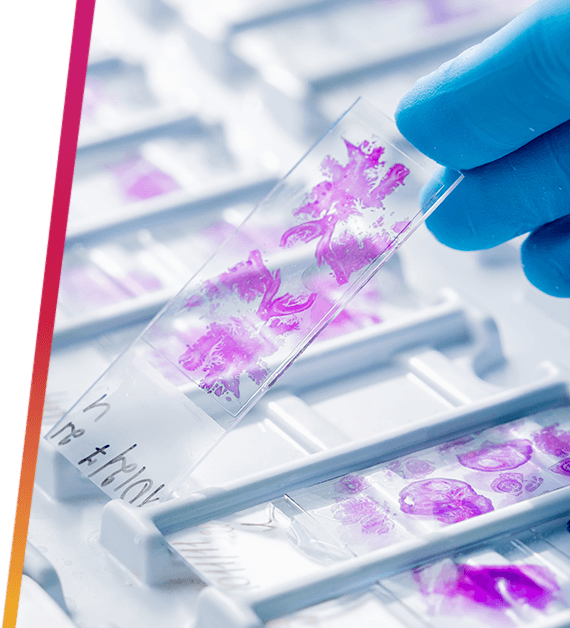

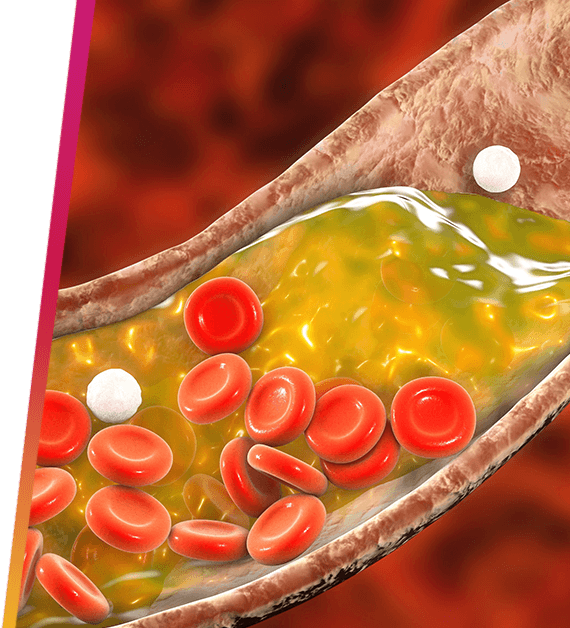
Clotting and bleeding disorders affect millions, from stroke and heart attack to hemophilia and von Willebrand disease. VBRI’s Thrombosis & Hemostasis program studies how clots form, why they form in the wrong places, and why some patients bleed. We translate molecular insights into better diagnostics and new treatment options.
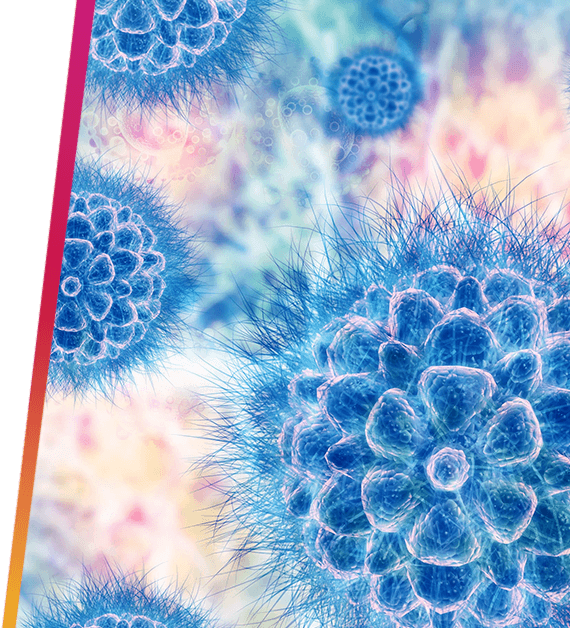
Every blood cell starts as a stem cell, and every immune response depends on precise cellular decisions. VBRI’s Hematopoiesis & Immunology program studies how blood and immune cells develop, and what happens when those processes break down. This molecular research helps advance new approaches for blood cancers, autoimmune disease, and immune disorders.
Translational research turns what we learn in the lab into better care. VBRI’s Translational Hematology program brings clinician-scientists together to study blood disorders based on real patient needs. From epidemiology and diagnostics to clinical trials like VENUS and national transfusion work through REDS-IV-P, we advance safer, more effective treatment.

Gia was diagnosed with aplastic anemia at 5 years old and received blood transfusions to prepare her body for a bone marrow transplant. Now 11, she’s doing well and her mother, Jenna, is grateful to everyone who helped her daughter.
Read Gia's Story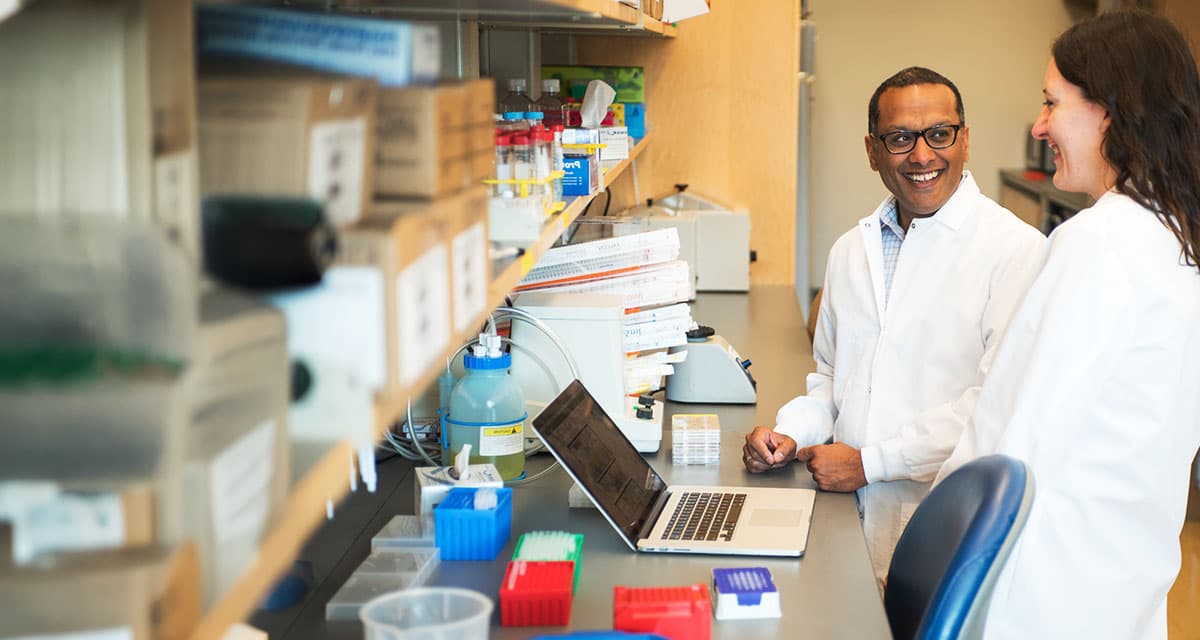
Stretches of DNA that don't code for proteins still control whether cells become healthy blood or deadly leukemia. We study these molecular switches and how they regulate genes in blood stem cells. Understanding what flips these switches in disease helps us develop precise therapies with fewer side effects.
Dr. Rao's Research
Mary has antiphospholipid antibody syndrome (APS), an autoimmune disease that causes blood clots to form throughout her body. She receives treatment from Versiti’s Lisa Baumann Kreuziger, MD, MS, and credits her with saving her life.
Read Her Story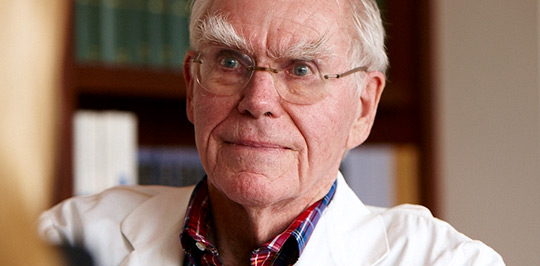
Richard “Dick” Aster, MD, helped shape modern blood medicine through more than six decades of research, mentorship and leadership. His work advanced the understanding of immune blood disorders, strengthened Versiti’s scientific foundation and left a lasting impact on patients, colleagues and the field of hematology.

Versiti Blood Research Institute celebrated the topping-off of its 79,000-square-foot expansion and launched Invest in Hope, inviting the community to support discoveries that move blood health forward.
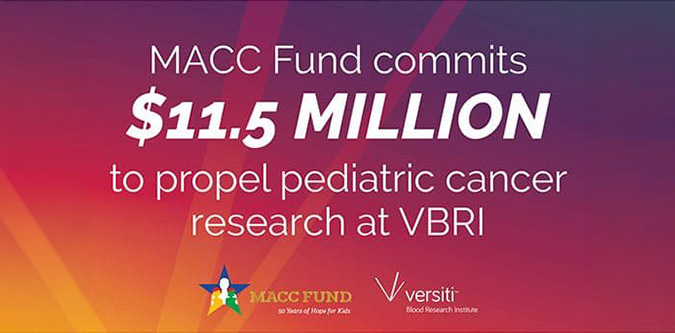
The MACC Fund has committed $11.5 million to advance pediatric cancer research at the Versiti Blood Research Institute, strengthening a long-standing partnership dedicated to improving outcomes for children facing leukemia and other blood disorders.